Η Κεντρική Τράπεζα είναι Έτοιμη και Προετοιμασμένη να προκαλέσει την Οικονομική Κρίση
· Κατοχικά Νέα
ΜΗ ΦΥΓΕΙΣ ΑΚΟΜΑ
Τρία σχετικά θέματα που αξίζει να δεις
 FEATURED
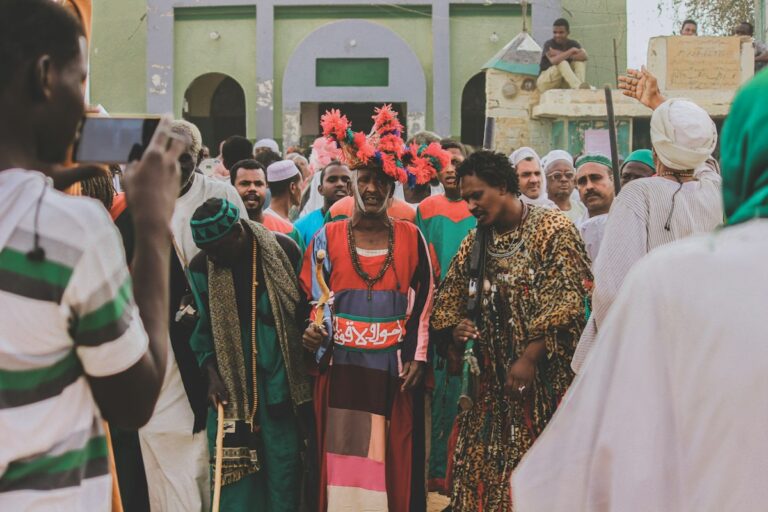
Σουδάν: Επίθεση με drone σε αγορά του Νότιου Νταρφούρ – Δεκάδες νεκροί και τραυματίες εν μέσω εμφυλίου
 FEATURED
ΕΚΤΑΚΤΟ – Υεμένη: Πύραυλοι έπληξαν το αεροδρόμιο του Άντεν – Εκκενώθηκε αεροσκάφος πριν την απογείωση
 FEATURED
Η Κεντρική Τράπεζα είναι Έτοιμη και Προετοιμασμένη να προκαλέσει την Οικονομική Κρίση, NAI, ΩΣΤΕ ΤΟ ΕΤΟΣ 2018, ΝΑ ΦΕΡΟΥΝΕ ΤΟ ΝΟΜΙΣΜΑ ΜΕ ΤΟΝ ΦΟΙΝΙΚΑ ! ΔΕΣ ΤΟ ΕΞΩΦΥΛΛΟ ΤΟΥ ΕΚΟΝΟΜΙΣΤ, ΠΡΙΝ 30 ΧΡΟΝΙΑ !!! ΚΑΙ ΠΑΘΕ ΠΛΑΚΑ !!! socioecohistory.wordpress.com/2014/07/26/flashback-1988-get-ready-for-a-world-currency-by-2018%E2%80%B3-the-economist-magazine/ Flashback 1988: “Get Ready For A World Currency by 2018″ – The Economist Magazine! Title of article: Get Ready for the Phoenix
Source: Economist; 01/9/88, Vol. 306, pp 9-10
THIRTY years from now, Americans, Japanese, Europeans, and people in many other rich countries, and some relatively poor ones will probably be paying for their shopping with the same currency. Prices will be quoted not in dollars, yen or D-marks but in, let’s say, the phoenix. The phoenix will be favoured by companies and shoppers because it will be more convenient than today’s national currencies, which by then will seem a quaint cause of much disruption to economic life in the last twentieth century.
–
At the beginning of 1988 this appears an outlandish prediction. Proposals for eventual monetary union proliferated five and ten years ago, but they hardly envisaged the setbacks of 1987. The governments of the big economies tried to move an inch or two towards a more managed system of exchange rates – a logical preliminary, it might seem, to radical monetary reform. For lack of co-operation in their underlying economic policies they bungled it horribly, and provoked the rise in interest rates that brought on the stock market crash of October. These events have chastened exchange-rate reformers. The market crash taught them that the pretence of policy co-operation can be worse than nothing, and that until real co-operation is feasible (i.e., until governments surrender some economic sovereignty) further attempts to peg currencies will flounder.
…
The new world economy
The biggest change in the world economy since the early 1970’s is that flows of money have replaced trade in goods as the force that drives exchange rates